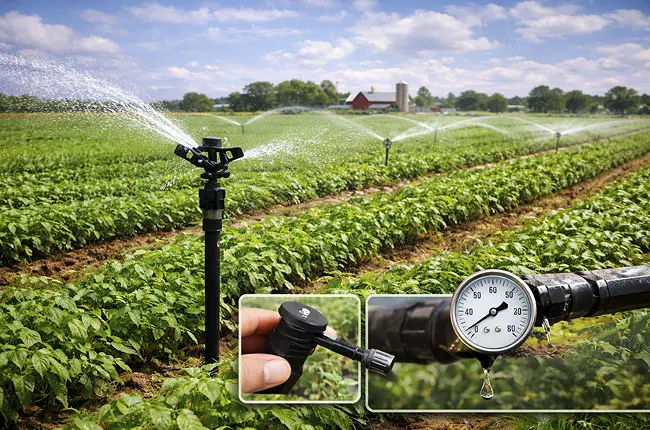
Introduction to Sprinkler Systems
Modern agriculture depends on advanced water management, and an irrigation sprinkler system from K.P. Polymers provides a transformative and trustworthy solution for landscapers and farmers. Designed to evenly disperse water across fields, this system ensures consistent crop development while significantly lowering water usage.
A sprinkler irrigation system spreads water uniformly over crops, mimicking natural rainfall through a specialized pipe network. This approach is widely used in commercial settings, lawns, sports fields, and farms due to its high flexibility and effectiveness.
Unlike conventional watering techniques, sprinkler systems operate under regulated pressure to reach every region of the field. This ensures regular hydration, which is essential for sustaining soil quality and maximizing plant output. Its capacity to operate on slanted or uneven terrain is one of its main benefits, effectively reducing soil erosion and eliminating the need for laborious land grading.
Furthermore, by reducing manual labor and increasing irrigation precision, modern sprinkler systems can be automated with timers and sensors to ensure optimal performance 24/7.
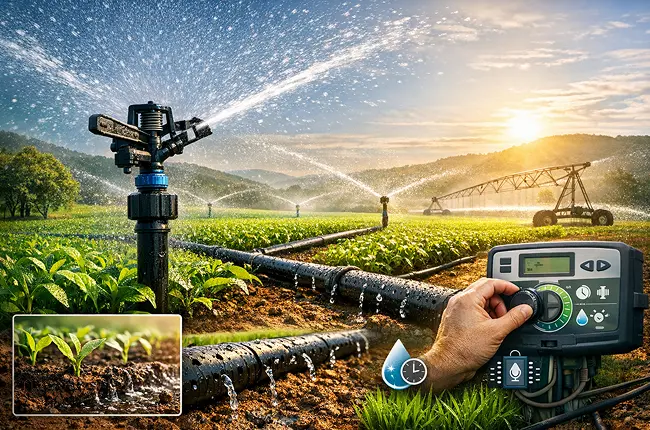
Types of Irrigation Sprinkler Systems
Selection of the appropriate kind depends on crop type, field size, and water availability.
Rotating Head System
Distributes water in circular patterns using rotating nozzles. Ideal for large fields.
Perforated Piping
Sprays water through small-hole pipes. Perfect for small farms and gardens.
Portable Network
Affordable and adaptable systems that can be easily moved between different sites.
Permanent Apparatus
Long-term installations for large-scale commercial or agricultural sites.
For keeping moisture levels under control and increasing crop yield, every sprinkler system from K.P. Polymers ensures effective water application.
Advantages of Irrigation Sprinkler Systems
Uniform Distribution
ensuring all plants receive equal moisture, sprinklers distribute water constantly over the field, which enhances crop quality.
Water Efficiency
By lowering runoff and deeply filter losses, these systems can reach great water efficiency, therefore qualifying them for water-stressed areas.
Reduced Labor
Automation lowers farmers' need for manual irrigation, therefore lowering labour expenses and saving time.
Terrain Adaptability
On rough terrain, like hills and slopes, where conventional approaches fall short, sprinkler systems perform very well.
Optimized Growth
Regular irrigation lowers plant stress and improves growth and yields.
High Versatility
Highly versatile, these systems may be used for a broad areas of sports venues, lawns, gardens, and crops.
Applications & Installation of Sprinkler Irrigation Systems
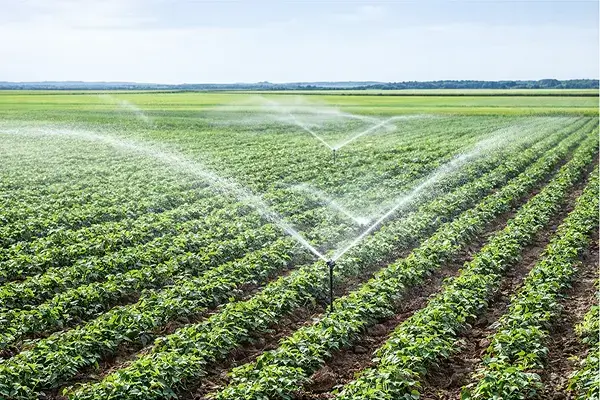
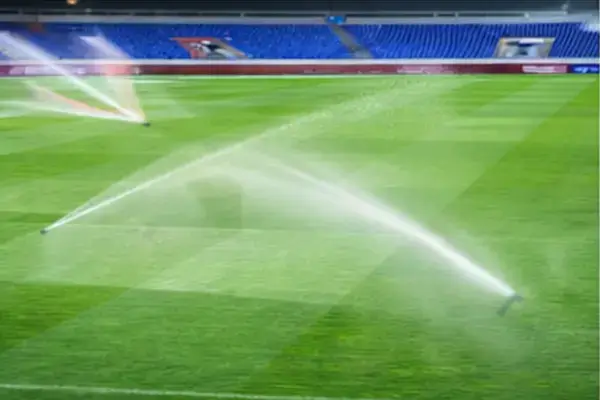
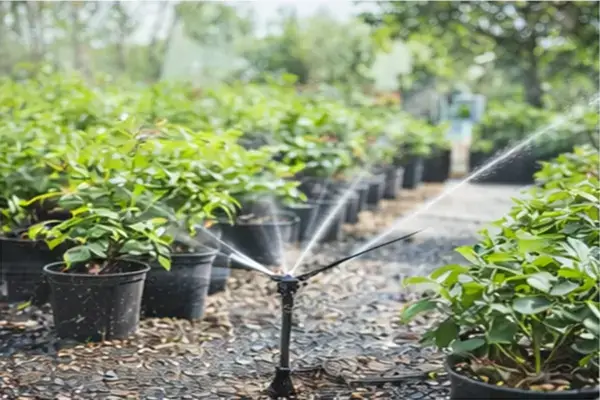
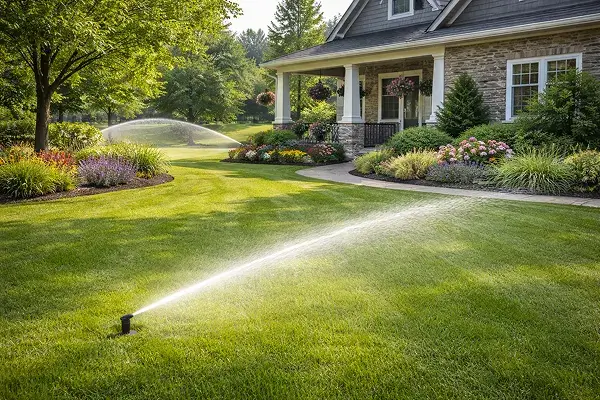
Sprinkler irrigation systems are widely installed across different industries due to their high efficiency and affordability.
Professional Installation Process
The setup of a sprinkler irrigation system involves several critical phases to ensure long-term efficiency and reliability.
1. Site Assessment
In-depth evaluation of water supply, soil type, and specific crop requirements.
2. System Design
Designing custom layouts for optimal sprinkler positioning and pressure balance.
3. Component Setup
Systematic arrangement of distribution lines, pipes, and pumping stations.
4. Precision Placement
Installing sprinkler heads at predetermined intervals for 100% field coverage.
5. Testing & Calibration
Final verification of water distribution uniformity and operational pressure.
Maintenance Tips
Proper upkeep is vital to maximize efficiency and prevent common issues like clogging or unequal watering.
- Regularly clean the nozzles to prevent sediment buildup.
- Monitor water pressure for consistent spraying patterns.
- Routine checks for leaks or damage in the pipe network.
- Schedule periodic inspections by expert technicians.
- Flush the system periodically to remove debris.